● 5335 N Harlem Ave, Chicago, IL 60656
● Mon to Sun: 6 AM - 10 PM
Personal Strength Training in Chicago for Your Goals
Learn how personalized strength training in Chicago uses assessment, coached technique, progressive programming, and progress tracking to support your goals.

Personal strength training in Chicago gives you more than a list of exercises. It gives you a structured plan based on your ability, training history, goals, schedule, and recovery. Instead of guessing which workout to follow or when to add weight, you work with a coach who can teach technique, choose suitable exercises, and adjust the program as you progress.
That approach can help if you are new to lifting, returning after time away, working through a plateau, or building strength for everyday life or a sport. At TONE UP 2 Fitness, personal training is coaching-led and appointment-based, offering a more focused experience than exercising alone in a crowded gym. The aim is not to make training complicated; it is to make every part of the plan purposeful.
Why Choose Personalized Strength Workouts
Strength training includes any activity that asks your muscles to work against resistance. That resistance might come from body weight, bands, free weights, machines, or other equipment. Current CDC physical activity guidance recommends that adults perform muscle-strengthening activities involving all major muscle groups on at least two days each week, alongside appropriate aerobic activity.
Those broad guidelines do not tell you which exercises fit your experience, how much work you can recover from, or how to train around a demanding week. Personalized coaching translates general recommendations into a practical routine. A coach can account for:
- Your lifting experience and confidence with equipment
- The activities you want to become stronger for
- Your movement options and current conditioning
- Previous injuries or relevant health considerations
- Your work, family, and commuting schedule
- Other exercise, sports, and recovery demands
- The amount of training you can perform consistently
Two people with the same goal may need different programs. A beginner learning a controlled squat does not need the same exercise selection, volume, or loading as an experienced lifter trying to improve a specific lift. A personalized program should meet you at your actual starting point, not force you into a standard template.
The American College of Sports Medicine’s 2026 resistance-training guidance reinforces this practical approach. For most healthy adults, consistency and an individualized plan matter more than complex programming, a particular type of equipment, or routinely training to complete muscular failure.
Programs Tailored to Your Needs
TONE UP 2 Fitness offers several verified coaching formats. The right option depends on how much individual attention you prefer, whether you want to train with another person, and where you plan to complete your workouts.
| Training format | May suit you when you want | Important consideration |
|---|---|---|
| One-on-one personal training | A coach focused closely on your technique, pacing, and progression | Offers the highest degree of individual attention |
| Partner training | To train with a friend, partner, or relative while receiving coaching | Both participants need a schedule they can maintain together |
| Semi-private training | Personalized guidance with the energy of a very small group | TONE UP 2 describes this format as 3-on-1 training |
| Personal weight training | Detailed instruction with weights and a clear progression plan | Especially relevant when strength and lifting technique are priorities |
| Online personal training | A structured program completed at home or in your own gym | Requires comfort training independently and communicating with your coach |
One format is not automatically better than another. A beginner who wants close instruction may prefer one-on-one sessions. Two people with compatible goals and schedules may enjoy partner training. Someone who travels or lives outside Northwest Chicago may find online coaching easier to sustain. The best format is the one that provides enough guidance and fits your real life.
Strength for Everyday Life
Many clients want to carry groceries, climb stairs, handle household tasks, or stay active with family more comfortably. Training for those goals may emphasize fundamental patterns such as squatting, hinging, pushing, pulling, stepping, bracing, and carrying. Exercises should be scaled to the person rather than selected because they look advanced.
Sport-Specific Strength
Recreational athletes may want strength that supports running, cycling, golf, court sports, or another activity. The plan should complement sport practice rather than simply add fatigue. Exercise selection, volume, and training days need to reflect the sport’s demands, competition schedule, and the athlete’s current experience.
Returning After Rehabilitation
Personal training may help someone rebuild a consistent exercise routine after formal rehabilitation, but it does not replace medical care or physical therapy. Start only after any recommended clearance, share current restrictions with the coach, and train from your present capacity rather than your pre-injury level. Persistent, worsening, or unexplained pain should be evaluated by a qualified healthcare professional.
How We Build Your Plan
Personalization should be systematic. A useful plan connects your goal to suitable exercises, a realistic weekly schedule, and a clear way to progress.
Initial Consultation and Starting Point
TONE UP 2 Fitness states that its free consultation covers your objective, availability, training history, and preferences. This conversation helps turn a vague goal such as “get in shape” into something more useful: develop confidence with weights, build general strength, support a recreational sport, or return to regular exercise.
A starting assessment does not have to involve a maximum-strength test. For many beginners, observing comfort with basic movements, ability to follow cues, control of resistance, and recovery between efforts provides more useful information. An assessment should guide exercise selection, not grade your body.
Goal Setting and Baseline Measures
A baseline gives you something meaningful to compare later. Depending on the goal, useful measures may include the resistance used, controlled repetitions completed, range of motion, exercise confidence, consistency, or performance in a relevant task. Body weight or measurements may matter to some people, but they are not the only evidence of progress.
Custom Program Design
The program should train the movements and muscle groups relevant to your goal while fitting the time you can reliably commit. Exercise variables such as resistance, repetitions, sets, range of motion, tempo, rest, and weekly frequency can all be adjusted. A simpler plan completed consistently is more useful than an elaborate routine that repeatedly gets skipped.
Important exercises are usually repeated long enough for you to learn them and show progress. Variation still has a place, but constant novelty makes it harder to develop technique or tell whether the program is working.
Coached Sessions and Progression
Progressive training means increasing the challenge as your body adapts. Adding weight is one option, but progression can also mean:
- Completing more controlled repetitions with the same resistance
- Improving range of motion or stability
- Performing the same work with better technique
- Adding an appropriate set
- Moving to a more demanding exercise variation
- Recovering more effectively between sets
- Training more consistently across the month
Progression should be earned through control and readiness, not rushed to satisfy an arbitrary timeline.
Tracking, Retesting, and Adjustments
A training record helps the coach see what is improving and where the plan needs attention. Periodic reviews can compare current performance with the baseline, account for changes in schedule or recovery, and refine the next phase. The program may need adjustment when an exercise causes symptoms, a goal changes, progress stalls, or outside demands increase.
What a Training Session Looks Like
The exact structure varies by client and objective, but a coached strength session commonly begins with a short check-in. Sleep, soreness, stress, recent activity, or a change in symptoms may affect how the day’s work is approached.
The warm-up should prepare you for the movements ahead. It may include general movement, mobility where useful, and lighter practice sets of the primary exercises. The main portion then focuses on the most important strength work for your goal. A coach can demonstrate setup, offer concise cues, select resistance, and observe how your technique changes as fatigue builds.
Supporting exercises may address additional muscle groups, balance, stability, or conditioning. The session should finish with a clear record of what you completed and what comes next. A productive workout does not have to leave you exhausted. The goal is an appropriate training stimulus that you can recover from and build upon.
Technique matters, particularly as resistance increases. Mayo Clinic’s weight-training guidance advises beginners to learn from a qualified fitness or sports-medicine professional and emphasizes controlled movement, suitable loading, balanced muscle training, and not ignoring pain.
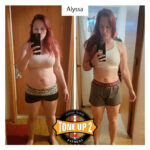
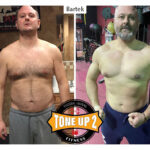
Client Results and Reviews
Strength progress rarely follows a universal timeline. Training history, age, health status, program design, nutrition, sleep, stress, and consistency all influence the rate of change. Responsible coaching looks for trends instead of promising a fixed transformation by a certain date.
Useful progress markers may include:
- More resistance or repetitions with stable technique
- Better control, coordination, or usable range of motion
- Greater confidence setting up exercises
- Improved consistency from week to week
- Less assistance needed for a movement
- Better performance in daily or recreational activities
- A training routine that remains workable during busy periods
Reviews can help you understand the coaching experience, but read them for patterns rather than assuming another person’s result predicts yours. Look for repeated comments about clear instruction, respectful communication, appropriate challenge, reliability, and program adjustments. During a consultation, ask how your own progress would be recorded and reviewed.
Credentials and Equipment
A strong equipment selection creates options, but no single machine or tool makes a program effective. Bands, bodyweight movements, free weights, and machines can all be useful when selected and progressed appropriately. The better questions are whether an exercise matches your ability, trains the intended quality, can be performed with control, and can progress over time.
Coach qualifications deserve the same practical scrutiny. TONE UP 2 Fitness describes its sessions as led by certified personal trainers, and you can review the studio’s coaching team. Before committing, consider asking:
- Which current personal-training credential do you hold?
- Do you maintain CPR and AED certification?
- What experience do you have with people who share my goal?
- How do you establish a starting point and track progress?
- How do you modify an exercise that is not appropriate for me?
- When would you refer a client to a physician or physical therapist?
- How will my program differ between coached and independent sessions?
A good trainer should explain what you are doing and why, stay within the scope of personal training, and avoid diagnosing conditions or guaranteeing outcomes.
Making Strength Training Fit a Chicago Schedule
For many Chicago residents, the main obstacle is not understanding that strength training can be useful. It is maintaining a routine through commuting, work, family demands, travel, and seasonal changes. TONE UP 2 Fitness operates as a private, appointment-based studio on North Harlem Avenue in Northwest Chicago, which may appeal to people who value predictable, coached sessions.
A realistic plan may use a manageable weekly frequency, identify the highest-priority sessions, and include a backup option for unusually busy weeks. Online coaching may also help when travel or distance makes regular studio appointments difficult. Consistency becomes easier when the plan includes a clear way to resume after disruption. Missing one workout should not require starting over.
Frequently Asked Questions
Is personal strength training suitable for beginners?
Yes. Beginners can benefit from direct instruction in setup, positioning, breathing, and appropriate effort before resistance increases. The plan should begin with manageable exercises and progress as control and confidence develop.
How often should I strength train?
The CDC recommends muscle-strengthening activity for all major muscle groups on at least two days per week for general health. Your schedule may differ based on your goals, experience, other activities, and recovery. More sessions are not automatically better if the workload is not sustainable.
Do I need to be fit before working with a trainer?
No. Your current level is information used to design the program, not a test you must pass before beginning. A consultation helps identify an appropriate format, starting point, and weekly structure.
Do I have to lift barbells?
No. Strength can be developed with bodyweight movements, bands, dumbbells, machines, barbells, or a combination. Equipment should serve your goal and experience rather than dictate the program.
Can strength training support weight-management goals?
Strength training can be part of a broader weight-management plan and may help maintain or build lean tissue. Changes in body weight depend on many factors, including nutrition, total activity, sleep, stress, health status, and adherence. Exercise alone does not guarantee a specific amount of weight loss.
Can exercises be modified for limited mobility or an old injury?
Many exercises can be adjusted by changing range of motion, resistance, position, pace, or exercise selection. The right modification depends on the individual. Share relevant history with the trainer and obtain medical or physical-therapy guidance when appropriate.
What happens during the free consultation?
TONE UP 2 Fitness says the consultation includes a discussion of your goals, availability, training history, and preferences. Use it to ask about the coach, training format, progress tracking, schedule, and pricing before deciding whether the service fits your needs.
Related Coaching and Fitness Guides
Ready to Get Started? Book a Free Consultation
Personal strength training should make your workouts clearer. You should know what you are working toward, why each exercise is in the plan, and how the program will change as you become stronger.
If you want personalized programming, technique guidance, accountability, and structured progression in Northwest Chicago, book a free consultation with TONE UP 2 Fitness. It is a practical opportunity to discuss your goals, training background, schedule, and the coaching format that may suit you.