● 5335 N Harlem Ave, Chicago, IL 60656
● Mon to Sun: 6 AM - 10 PM
Beginner Personal Training in Chicago for a Strong Start
See what beginners can expect from personal training in Chicago, including assessment, simple progressions, coaching formats, and first-session guidance.

Beginner personal training in Chicago should make the first steps clearer, not test how much discomfort you can tolerate. A useful coach explains what you are doing, selects an appropriate starting level, watches your technique, and gives you a plan that can progress without requiring previous gym experience.
TONE UP 2 Fitness provides appointment-based coaching at a private studio at 5335 N Harlem Avenue on Chicago’s Northwest Side. Available formats include one-to-one, partner, semi-private, small-group, and online training. The best choice depends on how much individual instruction you want, your schedule, comfort in a group, and any health considerations.
You do not need to get fit before meeting a trainer. The purpose of an initial consultation and assessment is to understand where you are starting. A beginner program should be challenging enough to develop skill and fitness while remaining manageable enough to practice consistently.
Who We Help
Beginner does not describe one body type, age, or goal. It may mean you have never followed a structured program, feel unfamiliar with gym equipment, or want help turning occasional activity into a routine. It can also describe someone returning after years away, even if they exercised in the past.
Beginner personal training may suit people who:
- Are unsure which exercises to choose
- Want to learn how to use resistance with better control
- Feel uncomfortable in a crowded or unsupervised gym
- Have tried random workouts without a clear progression
- Want accountability for a realistic weekly schedule
- Are returning after inactivity and need an appropriate re-entry point
- Prefer to ask questions privately before joining a class
Returning after an injury, operation, or physical therapy requires an additional distinction. Personal training can build general fitness after appropriate clearance, but it is not rehabilitation and cannot diagnose or treat an injury. Share restrictions and healthcare guidance before the first workout.
New chest pain or pressure, fainting, severe or unusual shortness of breath, dizziness, or other concerning symptoms should be evaluated rather than trained through. People with chronic conditions or concerns about exercise should discuss an appropriate starting point with a healthcare professional.
What You May Build in Your First Month
The first month should create a foundation for later progress rather than promise a dramatic transformation. ToneUp2 does not publish one mandatory first-month curriculum, so the exact content will depend on the format, frequency, and goals agreed during consultation.
A Routine You Can Repeat
The first useful outcome is often showing up at planned times and learning how training fits the rest of the week. A schedule that works only during an unusually quiet week is not a strong foundation.
The current CDC guidance for getting started with physical activity recommends starting slowly and building toward more time or more challenging activity. Progress should narrow the gap between what you usually do and what the program asks you to do, rather than creating the largest possible jump on day one.
Basic Movement Skills
A beginner plan may teach squatting or sitting-to-standing, hinging, pushing, pulling, stepping, carrying, bracing, and controlled aerobic work. These are broad patterns, not a compulsory exercise list. The coach should choose versions that suit the person’s mobility, experience, and goal.
Early progress may mean understanding setup, breathing normally, controlling a range of motion, and recognizing when a resistance is appropriate. It does not require performing advanced lifts or copying another client’s technique.
A Better Sense of Effort
Beginners may not know whether a set is too easy, productively challenging, or unnecessarily hard. A coach can explain the intended effort, observe technique, and adjust resistance, repetitions, pace, or rest.
Sweat, soreness, and exhaustion are not reliable proof of an effective session. A first month should teach the difference between normal effort and symptoms that require stopping or changing the exercise.
Simple Progress Measures
Useful early measures may include attendance, exercise technique, resistance used, controlled repetitions, walking or cycling duration, and confidence performing a familiar movement. Body weight or photos are optional and should be used only when they match the goal and the client wants them.
The aim is enough repeated information to make the next decision. Constantly changing every exercise makes improvement harder to evaluate.
Training Options for Beginners
ToneUp2 offers several coaching formats. They share the need for clear instruction and appropriate progression, but they do not provide the same amount of individual attention.
| Format | What it offers | Beginner consideration |
|---|---|---|
| Private one-to-one training | One client works directly with one trainer | More time for questions, technique feedback, and individual adjustments |
| Partner and semi-private training | Two or three clients share a coach | Works best when schedules and support needs are compatible |
| Small-group training | A coached group setting with shared session structure | Ask about class size, pace, orientation, and beginner modifications |
| Online personal training | Remote programming and coach feedback | Requires suitable space, technology, and a clear way to review technique |
Private One-to-One Training
Private coaching may fit someone who wants to learn without an audience, needs more explanation, or prefers a program built entirely around individual goals. It can also make it easier to pause and ask why an exercise was selected.
One-to-one attention does not mean every minute must be intense. A responsible first session may spend time on conversation, setup, skill practice, and selecting a baseline workload.
Small-Group Training for Beginners
A small group may suit someone who enjoys social energy and can follow a shared workout with suitable variations. The format usually offers less individual observation than private training, so ask how new members are introduced and how the coach manages different experience levels.
ToneUp2 publishes coach-led fitness classes and a small-group format, but it does not establish that every scheduled class is designed for first-time exercisers. Review the current Chicago class schedule and confirm the specific class before booking.
Virtual Coaching
Online coaching can remove travel and let a beginner train in a familiar space. The plan still needs clear demonstrations, a suitable camera view or video-feedback process, and exercises that match the available equipment.
Virtual coaching may not provide enough support for someone who needs physical assistance, has significant balance limitations, or requires clinical supervision. Discuss those needs before choosing the format.
How Your Program Works
ToneUp2 describes an assessment-based personal-training process, but it does not publish a guaranteed quick consult, four-week starter plan, or fixed progress-check schedule. Confirm the actual timeline and inclusions before enrolling.
Free Consultation
The verified introductory offer is a free consultation. Discuss your goals, training history, previous barriers, preferred schedule, health considerations, and comfort with different formats. This is also the time to ask who would coach you, how pricing works, and what the first paid session includes.
Baseline Assessment
The assessment may include health and exercise history, movement observations, and goal-relevant performance measures. It should help the trainer choose an entry point, not rank you against other clients or make you prove that you belong in the gym.
Not every beginner needs maximal strength, speed, endurance, or flexibility testing. A baseline is useful only when it can be performed appropriately and will guide the plan.
Starter Plan
A starter plan should specify what you will do during coached sessions and, when included, between them. Exercises should be simple enough to learn, but purposeful enough to progress. The coach should explain the intended effort, rest, and what information to record.
A four-week starter plan is not verified as a standard ToneUp2 product. Some beginners may need more time to practice a skill, while others progress sooner. The calendar should not force progression before the client is ready.
Progress Check
A review compares the starting information with current performance and experience. The decision may be to keep practicing, increase resistance or volume, change an exercise, add independent work, or revise the schedule.
There is no universal date for that review. Confirm how often your package includes reassessment and whether it occurs during a regular session or separately.
What to Expect in Session One
The first training session should begin with orientation rather than an immediate high-intensity circuit. The coach needs enough information to choose suitable exercises, and the client needs to understand the space, the session goal, and how to communicate.
A first session may include:
- A check of health information, goals, and current readiness
- An explanation of the session and relevant equipment
- A progressive warm-up using manageable movements
- Observation of selected movement patterns
- Technique practice with appropriate resistance
- A small amount of conditioning when it fits
- A review of what was learned and what comes next
The order and content may differ. The first appointment does not need to cover every exercise type, produce heavy soreness, or establish a personal record.
Bring comfortable workout clothes, clean athletic shoes, water, and any relevant clinician instructions. Ask how early to arrive, what forms are required, and whether changing or storage facilities are available rather than assuming.
The First Session Offer
ToneUp2’s current site verifies a free consultation and separately advertises a complimentary session with the purchase of 12 sessions. That promotion is not the same as a free first training session. Confirm current terms directly before booking, because offers can change.
If you see a free-session promotion, read the qualifying purchase and current written terms. A consultation can still help you meet the team, discuss concerns, and understand the recommended next step before paying.
Learning Outside Coached Sessions
Most beginners benefit from understanding the broader weekly plan, not just the supervised hour. Independent activity might include walking, mobility work, or practiced exercises when the coach has confirmed they are appropriate and the client understands the setup.
Federal Move Your Way resources emphasize that smaller amounts of activity count and can be built up over time. A beginner does not need to reach the full public-health target immediately. The training plan can increase frequency, duration, and difficulty gradually.
Ask for written exercise names, loads, sets, repetitions, rest, and technique reminders if independent work is included. Do not repeat an exercise alone when you are unsure how to perform it or when it produces sharp, worsening, or unexplained pain.
Results and Client Stories
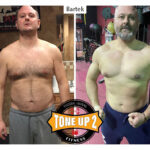
Beginner progress may be less dramatic than a transformation photo and more valuable than it appears. Learning to enter the studio without anxiety, completing planned sessions, using equipment with greater confidence, and improving repeatable exercises are meaningful outcomes.
ToneUp2 publishes client reviews and transformation stories. Read them for specific information about coaching, communication, atmosphere, and consistency. Do not assume every reviewer began as a complete beginner or used the same service you are considering.
No testimonial can guarantee strength gain, weight loss, pain relief, confidence, or a fixed timeline. Results vary with the starting point, program, attendance, nutrition, sleep, stress, health, recovery, and activity outside sessions.
Pricing and Packages
ToneUp2 does not publish a readable universal beginner-package price on the relevant pages. Request a complete quote for the recommended format and confirm what is included rather than comparing only the per-session number.
Before purchasing, ask about:
- Session length and training format
- Number and frequency of coached sessions
- Assessment and progress-review inclusions
- Independent programming or between-session support
- Package start date and expiration
- Cancellation, rescheduling, and no-show rules
- Any enrollment or other fees
- Exact conditions of a complimentary-session promotion
Do not assume that a four-week starter plan or unconditional free first session is included. Request current written confirmation of every package feature.
Frequently Asked Questions
Do I need gym experience before personal training
No. A beginner service should teach the setup, movements, and effort level needed for the plan. Tell the trainer what feels unfamiliar so instruction can start at the right point.
Will the first workout be very hard
It should be appropriate, not punishing. Some challenge may be useful, but the trainer also needs to observe technique and how you respond. Exhaustion is not required for a productive first session.
How often should a beginner train
There is no universal frequency. Health, goal, schedule, budget, other activity, and recovery matter. Choose a structure that can be performed consistently and progressed gradually.
Is one-to-one or small-group training better
One-to-one coaching offers more individual attention. A small group offers shared energy and may have a different price. The better option is the one that provides enough support for your needs and fits your week.
What if I feel embarrassed about my fitness level
You should not need to meet a fitness standard before beginning. Use the consultation to assess whether the coach communicates respectfully, explains the process clearly, and makes it comfortable to ask questions.
Is the first personal-training session free
The official site verifies a free consultation, not an unconditional free first session. A separate published promotion requires the purchase of 12 sessions to receive one complimentary session. Confirm current terms before booking.
More Support for Your Goals
Book Your Free Consultation
A strong beginning is not the hardest possible workout. It is a clear starting point, a manageable plan, useful instruction, and a way to progress when the basics become more comfortable.
To explore beginner personal training in Chicago, book a free consultation with TONE UP 2 Fitness. Ask about the recommended format, first-session process, coach qualifications, current schedule, pricing, and promotion terms before deciding whether to enroll.